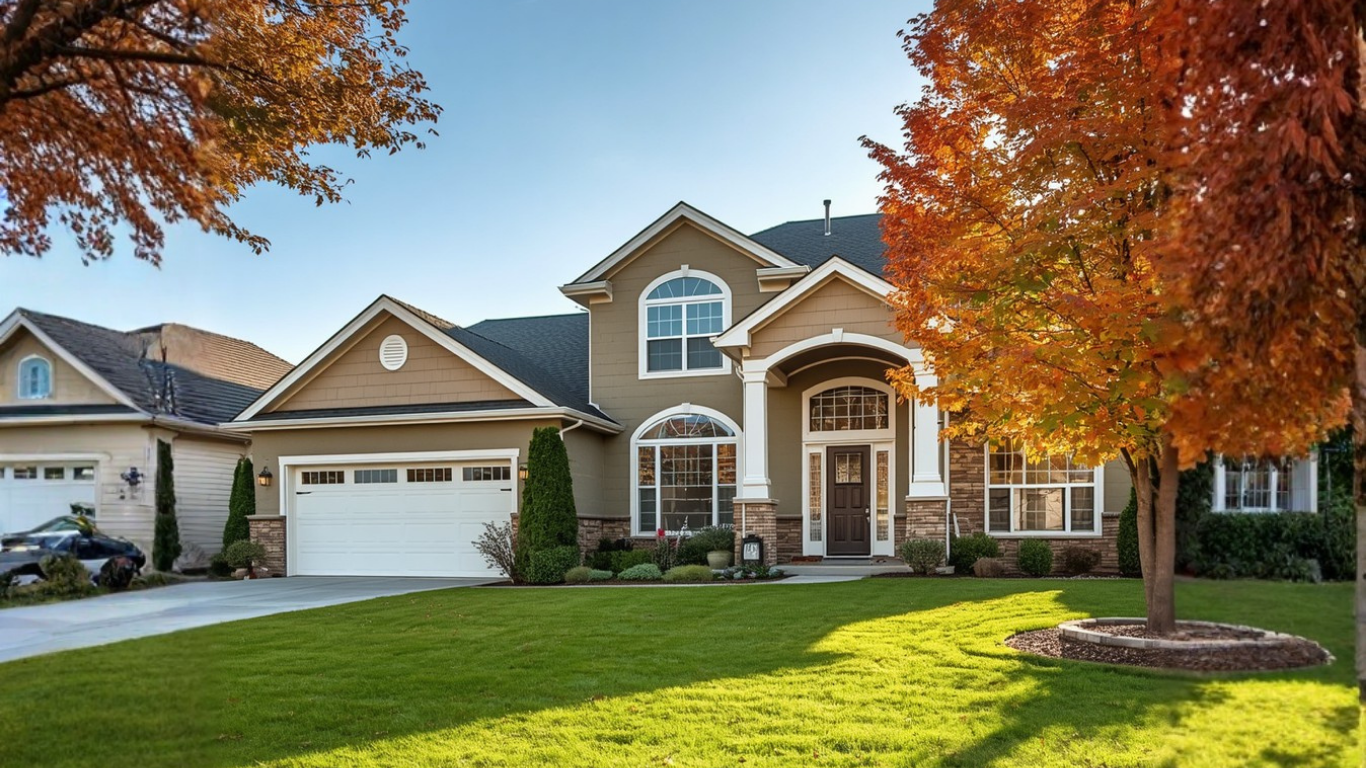
Stepping into homeownership for the very first time is one of the most exciting financial milestones you will ever achieve. Moving into your own property in the Yakima Valley offers incredible benefits, from the freedom to customize your living spaces to the long-term wealth created by building equity. However, those initial months after receiving the keys come with a significant adjustment period. This is especially true when it comes to managing your monthly household budget.
While renting certainly lacks the wealth-building advantages of owning real estate, rental payments are generally straightforward and predictable. You pay one set amount each month, and your landlord handles maintenance, property taxes, and structural repairs. When you become a homeowner, your financial responsibilities expand beyond a single monthly check. To help you transition smoothly and avoid unexpected financial surprises, here is a comprehensive breakdown of the ongoing costs you should expect when owning a home in the Yakima Valley.
1. Principal and Interest Mortgage Payments
If you financed your property through a mortgage lender, your baseline monthly expense will be your loan payment. This payment is divided into two main components: the principal (the actual loan balance you borrowed) and the interest (the fee charged by the lender for borrowing the capital). In the early years of a standard thirty-year fixed mortgage, a larger portion of your monthly payment goes toward interest, while the remaining portion gradually reduces your principal balance.
While many financial institutions encourage buyers to set up automatic bill payments, it is often wise during your first year of homeownership to review these payments manually. Checking your monthly mortgage statements helps you understand how much of your payment is going directly toward building home equity. Watching your principal balance decrease over time provides great motivation as you stick to your monthly budget.
2. Yakima County Property Taxes
Property taxes are a fundamental part of homeownership that support essential local services across the Yakima Valley. These funds directly contribute to public schools, local fire and emergency services, road maintenance, public parks, and community infrastructure. Property tax amounts vary based on the assessed value of your specific home and the local tax levies within your municipality.
As a general rule, homeowners can expect to pay between 1% and 2% of their property’s total assessed value in annual taxes. Fortunately, current property tax rates are listed on public real estate datasheets, allowing you to calculate this cost before making an offer. Keep in mind that property assessments can shift over time as home values rise in Central Washington. If you ever feel your home’s assessed value has been unfairly inflated compared to similar local sales, you have the right to submit an appeal through the county assessor’s office.
3. Homeowners Insurance Coverage
Homeowners insurance is a critical protective measure required by mortgage lenders to safeguard the physical structure and personal belongings on your property. This policy protects your home against major hazards, natural disasters, accidental structural damage, and liability claims. In Washington State, standard annual homeowners insurance policies generally cost between $1,500 and $3,000, depending on the age, condition, size, and replacement value of the home.
It is important to note that many mortgage lenders manage your property taxes and homeowners insurance using an escrow account. Under this system, your lender divides your estimated annual taxes and insurance into twelve equal monthly amounts, adding them directly to your monthly mortgage bill. The lender holds these funds in a dedicated account and pays your insurance premiums and property tax bills on your behalf when they come due.
4. Private Mortgage Insurance (PMI)
If you purchase your home with a conventional mortgage and put down less than 20% of the purchase price as a down payment, your lender will typically require Private Mortgage Insurance (PMI). This coverage protects the lender in the event that a borrower defaults on their loan obligations. PMI generally costs between 0.5% and 1.5% of your total loan amount annually, which is added to your monthly mortgage payment.
The encouraging news for buyers is that PMI is not a permanent fee. Once you pay down your mortgage principal or your home appreciates in value so that you achieve 20% equity in the property, you can request that your lender remove the PMI requirement. Eliminating PMI lowers your monthly housing costs while keeping your home equity fully intact.
5. Homeowners Association (HOA) Fees
Homeowners Association fees are increasingly common in many modern residential subdivisions, planned developments, and condominium communities throughout the Yakima Valley. HOA dues are collected on a monthly or annual basis to maintain shared neighborhood amenities, such as community parks, private roads, landscaping, exterior lighting, and shared structures.
HOA rates vary depending on the level of amenities provided by the community. Because these dues are a recurring obligation, they must be factored directly into your debt-to-income ratio during the mortgage pre-approval process. HOA dues are clearly disclosed on property listings, and HOA boards must notify homeowners in advance of any upcoming fee adjustments or special assessments.
6. Ongoing Maintenance and Emergency Repair Funds
When you transition from renting to owning, maintenance responsibilities fall entirely on your shoulders. From routine upkeep (such as replacing HVAC air filters, cleaning rain gutters, and servicing lawn irrigation systems) to major structural repairs (such as replacing a roof or servicing a water heater), managing these needs is essential to protecting your property value.
Real estate professionals recommend setting aside between 1% and 4% of your home’s total value each year into a dedicated home maintenance reserve fund. For example, setting aside $200 to $400 per month into a separate savings account creates a reliable cushion for routine maintenance and unexpected emergency repairs. Establishing this reserve fund early prevents sudden repair needs from disrupting your overall financial stability.
7. Seasonal Household Utility Costs
While renters are familiar with basic utility expenses, moving into a larger single-family home often leads to changes in monthly utility bills. In the Yakima Valley, seasonal weather patterns influence utility spending. Summer months bring higher irrigation needs for lawns and gardens, alongside electricity costs for air conditioning, while winter months require heating adjustments.
Before finalizing a home purchase, you can ask your real estate agent to request average utility estimates from the seller for electricity, natural gas, water, sewer, and trash services. If the home is located within an HOA community, check whether certain services (such as municipal water or trash collection) are included in your monthly dues to ensure an accurate budget projection.
Building Equity and Wealth Through Informed Homeownership
While moving from renting to homeownership involves managing additional monthly responsibilities, the long-term financial rewards are substantial. Unlike rental payments, which represent a permanent expense, every mortgage payment you make builds equity in an asset that can appreciate over time. Homeownership provides housing stability, tax advantages, and a strong foundation for long-term personal wealth.
By thoroughly understanding these ongoing costs before closing on your property, you can set up a realistic budget that protects your financial health. Entering the Yakima Valley real estate market with clear expectations ensures you enjoy the pride of homeownership with total peace of mind for years to come.
Ready to Make Your Yakima Valley Homeownership Dreams a Reality?
Navigating mortgage options, property taxes, and ongoing home expenses can feel overwhelming, but you do not have to do it alone. Our experienced real estate team is here to help you build a clear path to homeownership with total confidence.
The Liberty Real Estate Group is here to help you! Call or text us today at 509-952-8341.
