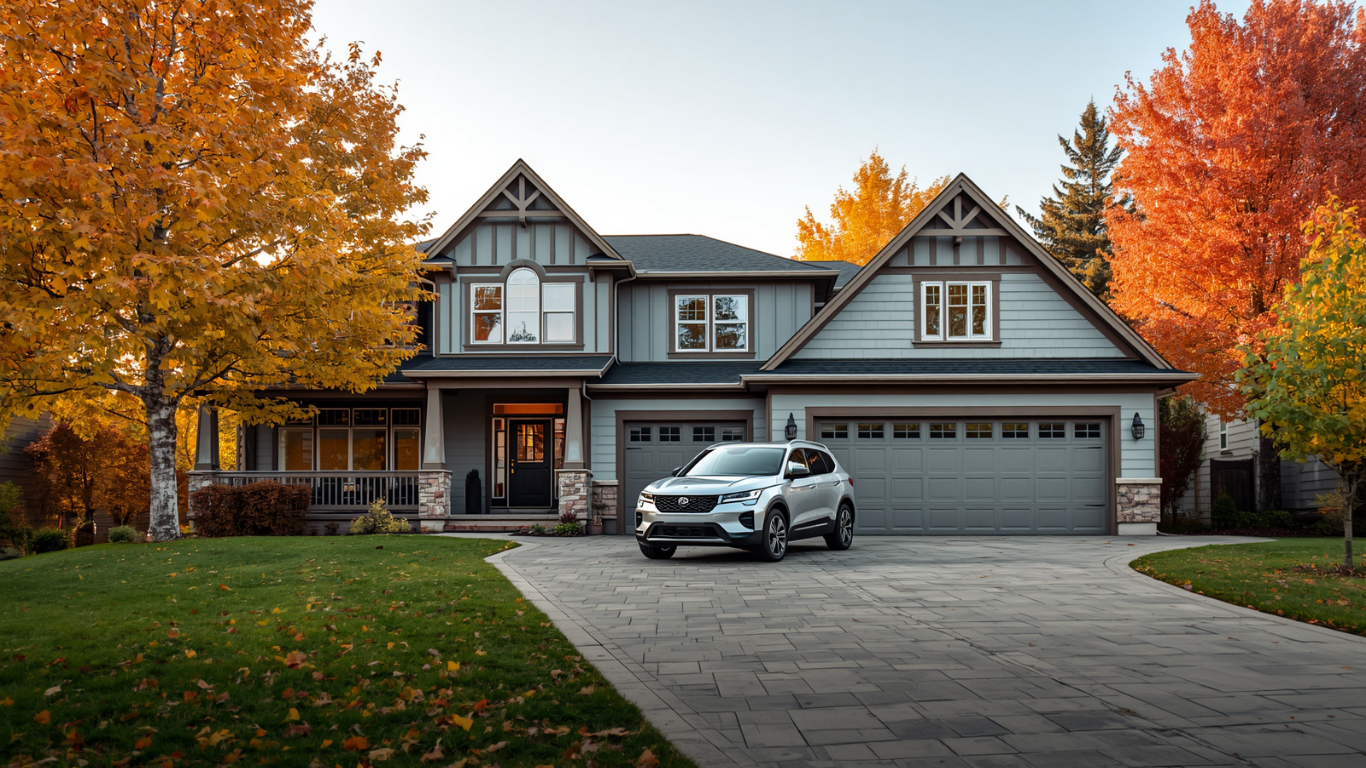
As we move into the first week of October, the Yakima Valley is fully embracing the beauty of the autumn season. The leaves are changing, the local harvest is thriving, and the morning air is noticeably crisper. While this is a wonderful time to enjoy outdoor festivals and prepare your yard for the upcoming cold weather, it is also a crucial period for administrative housekeeping. Before the freezing temperatures, icy roads, and winter storms arrive in Central Washington, mid-fall is the absolute perfect time to conduct a thorough review of your financial safety nets.
Your homeowners and auto insurance policies serve as your most critical financial cushions in the unfortunate event of severe property damage, vehicular accidents, or unexpected theft. Because life is constantly evolving, it is essential to check these policies regularly to ensure that you still have the exact coverage you need. An insurance policy is never something you should simply set and forget. By following this comprehensive guide, you will know exactly when to review these vital documents and which specific life events should immediately trigger a policy update to keep your family completely protected.
Commit to an Annual Policy Review
Even if you have not experienced any major life changes over the past twelve months, it is always a smart financial habit to look over your homeowners and auto insurance policies at least once a year. The absolute simplest time to do this is during your annual renewal period. Just a few weeks before the official end of your current policy term, your insurance provider will send you a detailed renewal statement containing the updated terms, coverage limits, and premium costs (this happens whether you are set up to automatically renew your payments or not).
It is highly recommended that you review this renewal document carefully, noting anything that might necessitate a change in your coverage. For instance, the market value of some of your personal items may have gone up significantly due to inflation, meaning they are no longer fully covered under the standard limits of your homeowners policy. Conducting a quick home inventory of your most valuable belongings and getting them professionally appraised could help you determine if you need to increase your personal property limits.
The annual renewal period is also the perfect time to compare quotes from other local insurers across the Yakima Valley to see if you could secure a better premium rate for the exact same coverage. If you do decide to switch to a different insurance provider to save money, it is critical that you wait until your new policy is officially in effect before canceling your old one. A lapse in coverage, even for a single day, can lead to severe financial penalties and leave you completely vulnerable.
Navigating a New Home or Vehicle Purchase
Purchasing a new asset is one of the most obvious triggers for updating your insurance. Anytime you purchase a new car, truck, or SUV, you will need to update your applicable auto policy immediately. If you are purchasing an extra vehicle for your household, such as an affordable sedan for a teenager who just received their driver license, you can usually simply add the new vehicle to your existing policy by contacting your local agent or following the prompt steps in your online account portal.
However, if you are trading in and swapping out your old vehicle entirely, you will have to set up a new policy structure for the replacement vehicle. Your current auto insurance provider may offer a short grace period (often between seven and thirty days) that will automatically extend your existing coverage limits to your new ride, giving you time to finalize the paperwork. This transition period is an excellent time to shop around and find the best possible rate, especially if your new vehicle has advanced safety features that qualify for premium discounts.
Similarly, buying a new home in the Yakima Valley will absolutely require you to take out a brand new homeowners insurance policy. If you are financing the purchase, your mortgage lender will require concrete proof of this insurance coverage before they will allow you to close on the property. If you are selling your current house and moving from one home to another, do not cancel your previous coverage until a few days after you have completely moved out and the sale has officially closed. This protects you just in case the buyer’s financing falls through at the last minute or your previous home sustains unexpected damage while you are moving your furniture.
Accounting for Major Home Renovations and Upgrades
Did you spend your summer completing a major home improvement project? You will absolutely want to update your homeowners policy after any significant renovation. Whether you installed a brand new architectural roof, completely gutted and remodeled your kitchen, or added a spacious sunroom to the back of your property, your insurance must properly reflect the newly increased value of your home.
Upgrading your home increases its replacement cost, which is the estimated amount of money that would be required to completely rebuild your home from the ground up if it were destroyed by a disaster. You will likely need to update your policy’s primary dwelling coverage to reflect these expensive changes. Just note that increasing your coverage limits will naturally increase your monthly or annual premium.
Fortunately, not all updates lead to higher insurance bills. Certain proactive changes to your home can actually lower your premium in some cases. Installing a modern, monitored security system, upgrading your home’s outdated electrical wiring, or putting in a new plumbing system reduces your risk of theft and water damage, which insurance companies love to see. Always inform your agent of these safety upgrades so they can apply the appropriate discounts to your account.
Protecting High-Value Purchases and Assets
Your standard homeowners or renters insurance policy includes coverage for your personal belongings, but this coverage often has strict sub-limits for highly valuable items. If you recently purchased expensive items, such as fine jewelry, specialized musical instruments, high-end camera equipment, or original art, you must make sure your coverage is robust enough to replace your losses should those items be damaged or stolen.
Standard policies typically cap payouts for jewelry or electronics at a very low amount (often around one thousand dollars). Fully protecting these premium items will likely require getting a specific insurance endorsement (also known as a rider) or even purchasing an entirely separate personal articles policy. Contact your insurer immediately after making any high-value purchases to schedule the items on your policy, which usually requires submitting a recent receipt or a professional appraisal document.
Adjusting for Major Life Milestones
Insurance is deeply tied to your personal lifestyle, meaning major life changes heavily dictate your coverage needs. The birth of a new child, adopting a family pet, adding a teenage driver to your household, experiencing a marriage or divorce, or launching a home-based business can all drastically affect your liability and property coverage.
For example, if you recently started a small consulting business out of your Yakima Valley home, your standard homeowners policy will likely not cover your specialized business equipment (like high-end computers or inventory) in the event of a fire. Furthermore, it will not protect you against liability claims if a client visits your home office and slips on your front steps. You would need to add a home business endorsement or purchase a separate commercial policy.
Similarly, adopting a specific breed of dog might require an update to your liability limits, and getting married often allows couples to bundle their separate auto policies together for a significant multi-car discount. To ensure that you are properly and fully covered in all of these instances, connect with your insurer to discuss exactly what adjustments you may need to make based on your specific family milestone.
Preparing for the Yakima Winter Ahead
Finally, using October as your dedicated month for insurance reviews perfectly aligns with preparing for the harsh Pacific Northwest winter. As snow and ice begin to impact the mountain passes and local roadways, the likelihood of a vehicular collision increases. Verifying that your auto insurance includes adequate collision and comprehensive coverage ensures you are protected if you slide on an icy road or if a heavy tree branch falls on your parked car during a winter windstorm.
When updating your policies this fall, be sure to reach out directly to your local insurance agent. A qualified professional can help you thoroughly understand your current deductibles, your coverage limits, and any confusing legal terms hidden in your contract. By proactively reviewing your policies today, you will keep your car, your home, and your family suitably covered, allowing you to enjoy the beautiful autumn season with absolute peace of mind.
Ready to Protect Your Next Real Estate Investment?
Ensuring your property is fully protected is a vital part of successful homeownership. If your seasonal financial review has you dreaming of purchasing a new home in the Yakima Valley, our dedicated team is here to guide you every step of the way.
The Liberty Real Estate Group is here to help you! Call or text us today at 509-952-8341.
